3.7% got more — SEIU nationally
Of 10,297 petitions, 386 ultimately produced a signed first contract that reflected “more.”
— PTI Labor Research data, Jan. 1, 1990–Jul. 29, 2026
Of 10,297 petitions, 386 ultimately produced a signed first contract that reflected “more.”
— PTI Labor Research data, Jan. 1, 1990–Jul. 29, 2026
Of 3,744 petitions, about 138 ultimately produced a signed first contract that reflected “more.”
— PTI Labor Research data, Jan. 1, 1990–Jun. 5, 2026
“More” is PTI Labor Research’s source category; percentages reflect the stated outcomes divided by total petitions and are rounded to one decimal.
Dues do not automatically fund a pension. Ask who contributes to the retirement plan, how much, and when you qualify.
Dues alone do not buy health coverage. Ask what the plan provides, who pays, and what premiums, deductibles, or copays you would owe.
Dues fund representation, salaries, administration, organizing, and other union priorities. Ask for financial reports and a clear explanation of what your payments support.
An election victory establishes representation; it does not establish the terms of a contract. Wages, benefits, and working conditions must still be negotiated. Both sides must bargain in good faith, but neither must accept a particular proposal or concession. Negotiations can be lengthy: Bloomberg Law’s June 2026 analysis reports an average of about 15 months (463 days) to ratify a first contract. Ask what is being promised—and what is actually guaranteed.
NLRB: good-faith bargaining · Bloomberg Law, June 15, 2026. The reported average is not a guaranteed timetable.
Approximately 80% of signed first contracts in PTI’s national SEIU report fell into “same,” “less,” or “unidentified” outcomes.
PTI Labor Research, Executive Summary of Collective Bargaining, page 3; SEIU nationally, January 1, 1990–July 29, 2026. Of 1,897 signed first contracts: 913 same, 273 less, 325 unidentified, and 386 more. Same, less, and unidentified total 1,511 (79.7%, rounded to 80%). Unidentified outcomes are unknown; they are not established losses or gains. Categories are PTI’s.
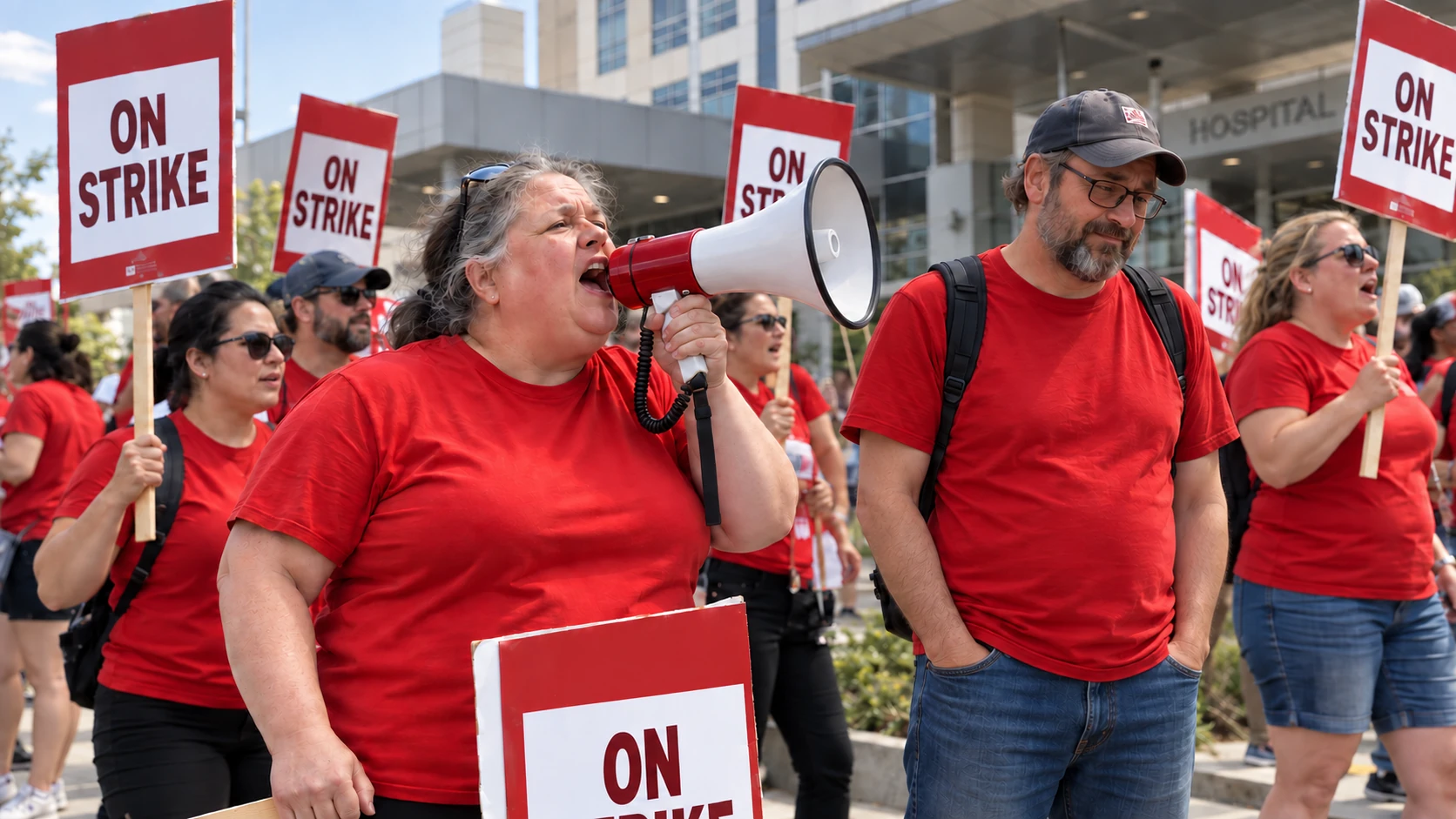
Dues do not guarantee replacement wages during a strike. Check eligibility, waiting periods, payment amounts, and the rules for your local.
SEIU Local 521’s 2023 strike manual makes hardship assistance conditional, including exhaustion of other means of assistance. That is Local 521’s policy, not a rule for every SEIU local.
Local 521: 2023 strike manual, page 11, section 5(A).
“those funds will never be sufficient to replace worker wage levels.”
Local 1000’s published strike FAQ says its fund is not intended to replace regular wages. It says the fund can help cover strike-related expenses, including legal costs if members face retaliation or other consequences for participating in a lawful strike.
The FAQ does not specify an individual assistance amount or payment schedule. That omission does not establish that assistance is never paid.
This example concerns Local 1000’s California state-worker guidance. It does not establish the policies of SEIU International, 1199SEIU, other SEIU locals, or other unions.
Source: Local 1000 Strike Frequently Asked Questions. Reviewed September 29, 2026.
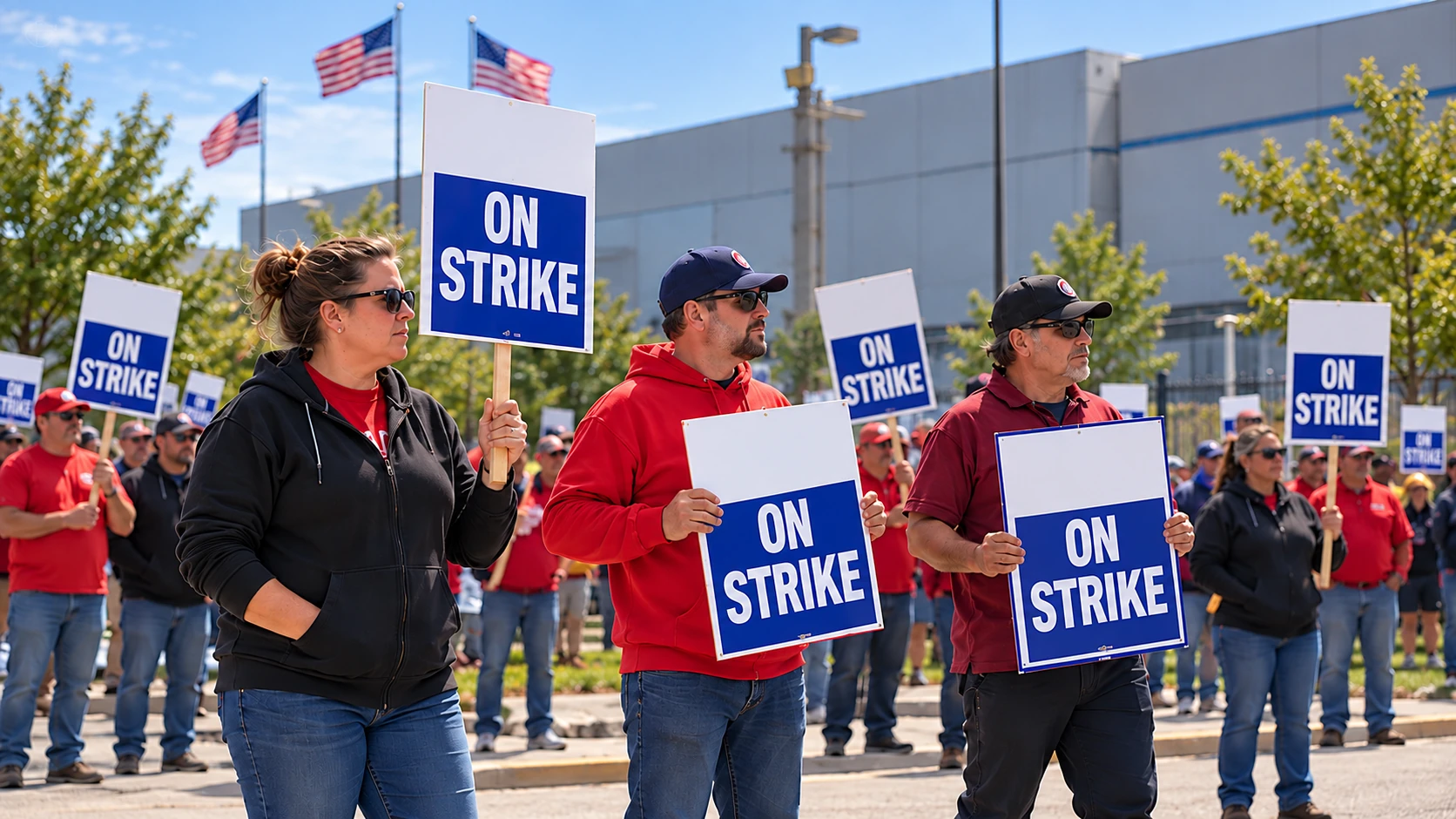
In a Mobile, Alabama paper-mill dispute, employees rejected the proposal three times and later worked under terms the employer implemented after impasse. A “no” vote did not secure a better offer.
In United Paperworkers International Union v. International Paper Co., bargaining at a Mobile, Alabama paper mill reached impasse. The union membership rejected the company’s proposal three times.